
If you have a bottle of red vermouth at home and have only used it with ice and a slice of orange so far, you’re only tapping into a small part of its potential. Red vermouth has a balance of flavors—bitter, sweet, and spicy all at once—that makes it a very rewarding ingredient in cocktails. Best of all, none of these suggestions require special techniques or hard-to-find ingredients.
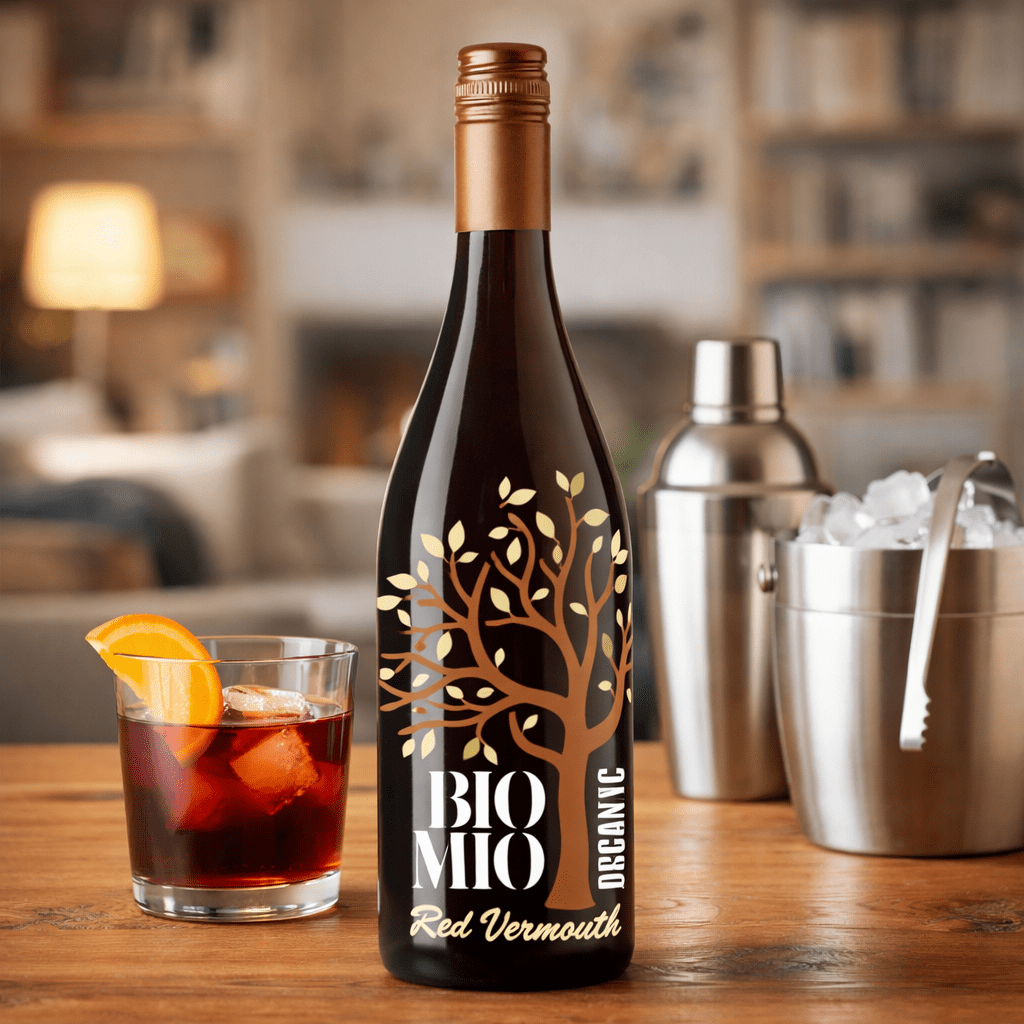
The first is Vermouth with Tonic and Rosemary. Equal parts vermouth and mild tonic, a slice of orange, and a sprig of fresh rosemary over plenty of ice. Stir gently so as not to lose the carbonation. The rosemary significantly alters the profile of the glass by adding a Mediterranean nuance that fits perfectly with the vermouth’s botanicals.
The Homemade Negroni is another one of those vermouth recipes worth having in your repertoire. One part red vermouth, one part gin, and one part Campari, mixed with ice and served with an orange peel. It is bitter, aromatic, and full-bodied. The quality of the vermouth is especially noticeable here, and Vermut Casa Valdepablo works very well because its botanicals are already highly balanced straight from the bottle.
The third is the Americano, lighter and more refreshing than the Negroni. Made with equal parts red vermouth and Campari, topped with sparkling water and orange. It is a vermouth recipe that works well as an aperitif or after a meal when you want something flavorful but without too much alcohol; easy to prepare and easy to repeat.
Two more suggestions and some ideas to personalize your vermouth recipes
The fourth cocktail is the Spanish Vermouth Manhattan. Two parts American whiskey, one part red vermouth, and a few drops of Angostura bitters, served cold and without ice in the glass. Although vermouth is not the main ingredient, its absence significantly affects the cocktail’s cohesion. It is one of those vermouth recipes where the ingredient works silently, and its absence is felt more than its presence. With a vermouth from our classic range, the result has more depth and complexity.
The fifth is the Red Vermouth Spritz: three parts vermouth, two parts cava or dry sparkling wine, and a splash of sparkling water. Large glass, plenty of ice, orange, and, if you have one handy, an olive. It is the Spanish version of the Aperol Spritz, with more character and less cloying sweetness. Of the five, it is perhaps the one most liked by those who don’t usually order vermouth, precisely because it goes down so well.
Once you have mastered these five, the interesting part is starting to vary them. Change the citrus, add a fresh herb, or try a different type of sparkling water. Vermut Casa Valdepablo Organic has a cleaner and more aromatic profile that works especially well in long drinks, where the nuances have more room to express themselves.

An excellent bottle of red vermouth opens up more possibilities than it is usually credited with. With vermouth, ice, some fruit, and a couple of basic ingredients, you already have enough to prepare cocktails that exceed expectations at a gathering at home.
In cocktails with few ingredients, the key is that every single one is noticed. That is why at Bodegas Valdepablo we place such importance on the production process; we know our vermouth will end up in very different glasses, and we want it to work in all of them. If you would like to know more about how we craft it, the botanicals we use, or how our range has evolved, you will find all of that explained in detail on our blog.
In short, with just a few ingredients and a bottle you trust, you can prepare cocktails that truly surprise.