
Behind every glass of vermouth, there is a list of ingredients that very few people know about; it is not just wine, nor is it an improvised mix of herbs. It is the result of judiciously combining plants, roots, and spices that have been used for centuries in the crafting of aperitifs. At Bodegas Valdepablo, we have been working with these ingredients for nearly a hundred years, and we still find it fascinating what happens when they are blended correctly.
Wormwood and Dittany: the plants that give vermouth its character
Few people know that the word “vermouth” comes from the German Wermut, which means wormwood. This plant, with its bitter and intensely herbaceous flavor, is historically the botanical most associated with this drink. Used sparingly, it provides that characteristic depth that makes vermouth recognizable from the first sip; used in excess, it can overpower everything else. Balance is the key.
That is where dittany comes in. Native to the Mediterranean, it has a soft and slightly floral aroma that rounds off the bitterness of the wormwood without masking it. It is one of those ingredients that doesn’t draw attention when it’s there, but whose absence is immediately felt. In a well-prepared vermouth, every botanical serves a specific function, and dittany is an excellent example of how a discreet ingredient can be indispensable.
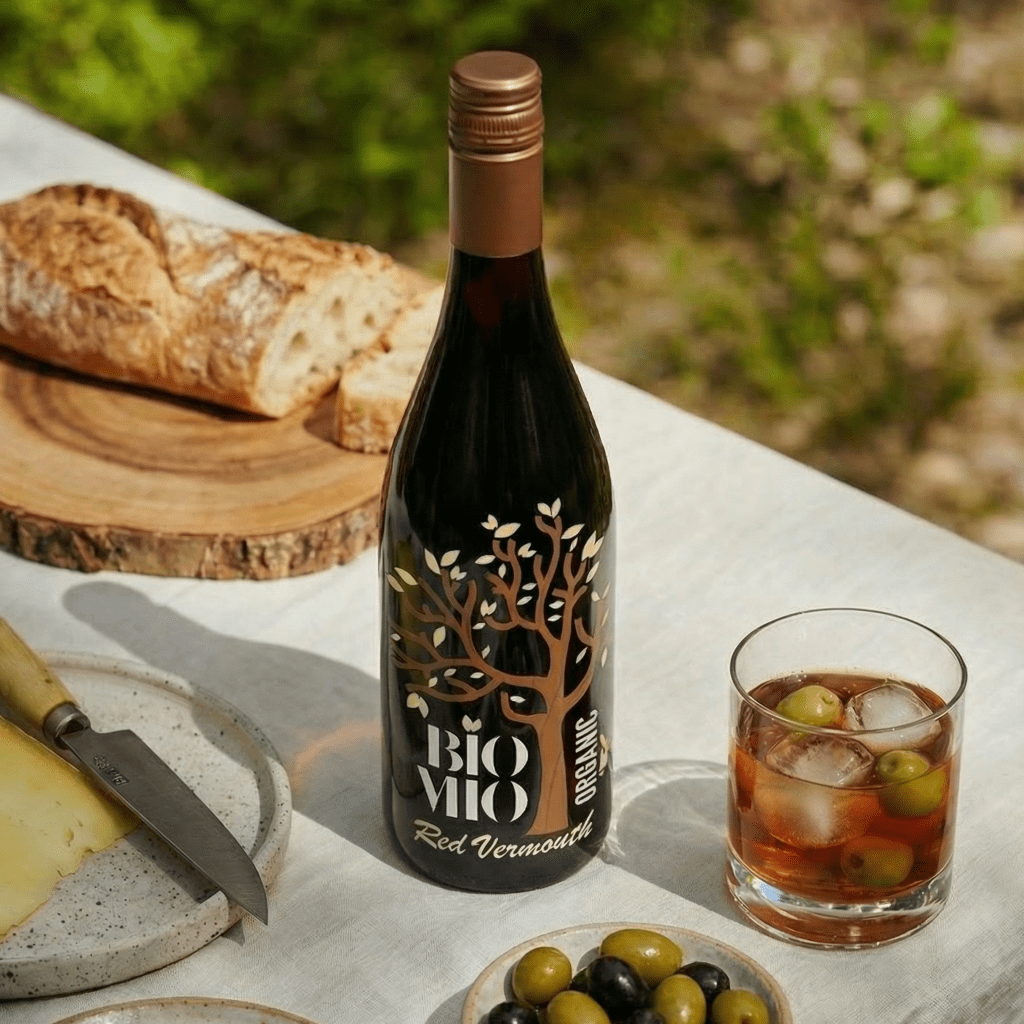
What makes this process interesting is that no plant acts alone. Maceration is, in a way, a negotiation where each botanical yields part of its aromas and compounds to the base wine, and the result depends on the chosen ingredients and the time and temperature of that process. In our winery in Terrer, that balance has been patiently adjusted for decades.
Expertly prepared vermouth: more botanicals that make the difference
Bitter orange peel provides citrus freshness. Gentian, a root of Alpine origin, reinforces the bitterness in a more elegant way than wormwood. Cinnamon and cloves add warmth and a slight spicy sensation that lengthens the finish on the palate. Every winery has its own selection, and that selection is, to a large extent, its signature.
How many botanicals does a vermouth contain? It depends. Some recipes work with a dozen, others with more than double that. At Bodegas Valdepablo, the exact combination is one of those pieces of knowledge passed down from generation to generation—not as a secret kept under lock and key, but because it is part of the identity of every prepared vermouth we bottle. When you taste Vermut Casa Valdepablo or the Gran Añada, you are tasting the result of decades of adjustments and a long time spent listening to what each botanical has to say.

With organic vermouths, that precision is even more evident. Working with grapes from organic farming requires refining the rest of the process with greater care, as the margin for error is reduced. The result is a vermouth with a cleaner aromatic profile, where the botanicals express themselves more clearly over a base wine of excellent quality.
Botanicals and Territory: When Origin Matters
There is something rarely mentioned on labels: the quality of a botanical depends heavily on its origin. The same plants grown in different regions can have quite different aromatic profiles. Altitude, soil type, and climate directly influence the concentration of compounds released during maceration; therefore, the origin of the ingredients is not a minor detail.
The surroundings of Calatayud and the Jalón Valley offer conditions that favor viticulture with character. That same logic applies to our botanicals; we seek ingredients with a known provenance because the prepared vermouth we aim to create admits no shortcuts.
If you are interested in learning more about botanicals, pairings, or how to get the most out of your aperitif at home, we regularly publish content about all of this on our blog. Because understanding what is in your glass makes it taste even better.